Hair Loss

Hair Loss skin

How Stress Affects Your Skin and Hair: Expert Tips to Combat It

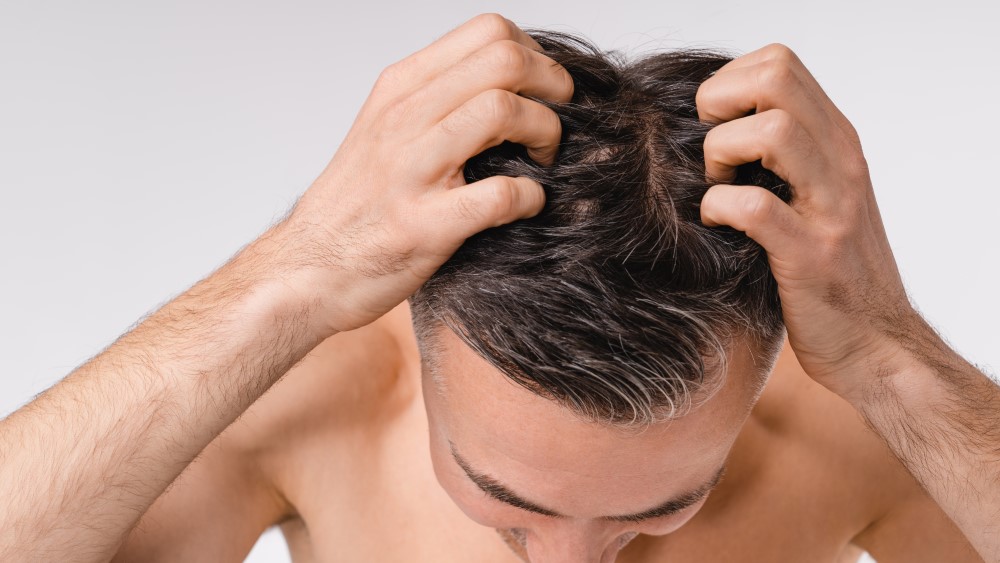
By La Fameux Derma Clinic In today’s fast-paced lifestyle, stress has become a silent enemy of our health—and your skin and hair often show the first signs. From sudden breakouts to hair fall, stress can wreak havoc on your appearance. At La Fameux Derma Clinic, we’ve seen how stress impacts beauty from the inside out. Here’s what you need to know—and how to fight back. 🔎 How Stress Affects Your Skin Breakouts & AcneStress triggers hormonal imbalances (like cortisol spikes) that increase oil production, clogging pores and leading to pimples. Premature AgeingChronic stress breaks down collagen and elastin, causing fine lines, wrinkles, and dullness earlier than expected. Skin SensitivityStress weakens your skin barrier, making it prone to redness, irritation, and conditions like eczema or psoriasis flare-ups. 💇 How Stress Affects Your Hair Hair Fall & ThinningStress disrupts the hair growth cycle, pushing follicles into the “shedding” phase, leading to noticeable hair fall. Greying of HairOxidative stress speeds up the depletion of pigment-producing cells, causing early greying. Scalp ProblemsStress can trigger dandruff, dryness, or itchy scalp conditions. 💡 Expert Tips to Combat Stress-Related Skin & Hair Issues 🌿 1. Build a Stress-Relief Routine Practice yoga, meditation, or deep breathing. Prioritize 7–8 hours of quality sleep. 🥗 2. Nourish from Within Eat a balanced diet rich in antioxidants, proteins, and omega-3s. Stay hydrated to keep skin and hair healthy. 🧴 3. Gentle Skin & Hair Care Use mild cleansers and sulfate-free shampoos. Avoid over-washing or harsh products that strip natural oils. 💉 4. Professional Treatments at La Fameux HydraFacial & Chemical Peels: Combat stress-induced dullness and breakouts. PRP/GFC Hair Therapy: Boosts hair regrowth and strengthens roots. Laser Skin Rejuvenation: Repairs collagen damage for youthful skin. 🧘 5. Regular Check-Ups A dermatologist can help track your skin & hair health, offering customized treatments for stress-related issues. 👩‍⚕️ Why La Fameux Derma Clinic? At La Fameux, we understand that beauty isn’t just skin-deep—it’s linked to your overall wellness. Our experts create personalized skin and hair care plans that not only treat stress damage but also help prevent it long-term. 📞 Take Control of Stress, Take Control of Your Glow Don’t let stress steal your shine. Book a consultation at La Fameux Derma Clinic and let us help you restore healthy, glowing skin and strong, beautiful hair.

Hair Loss

What Causes Hair Fall & How to Stop It?

Hair fall is a common concern affecting both men and women, often leading to stress, low confidence, and panic. But understanding the real causes behind hair loss is the first step to effectively treating it. At La Fameux Derma Clinic, we help you identify the root of your hair concerns and offer advanced solutions to restore thicker, healthier hair. 🧬 Common Causes of Hair Fall 1. Hormonal Imbalance Conditions like PCOS, thyroid issues, or postpartum changes can cause hormonal disruptions that weaken hair roots. 2. Nutritional Deficiencies Lack of iron, Vitamin D, biotin, or protein can lead to hair thinning and increased hair fall. 3. Stress & Lifestyle Factors Chronic stress, poor sleep, and unhealthy eating habits directly affect the hair growth cycle. 4. Genetic Hair Loss Also known as androgenetic alopecia, this hereditary condition leads to gradual hair thinning, especially in men. 5. Medical Conditions & Medications Certain illnesses or treatments (like chemotherapy) can trigger temporary or long-term hair loss. 6. Excessive Styling or Chemical Damage Frequent use of heat styling tools, hair coloring, or harsh shampoos weakens hair strands over time. 💡 How to Stop Hair Fall Effectively ✅ 1. Get a Professional Scalp & Hair Analysis At La Fameux Derma Clinic, we offer detailed hair consultations to identify the exact cause of your hair loss. ✅ 2. Advanced Hair Treatments PRP Therapy (Platelet-Rich Plasma): Boosts collagen, strengthens roots, and promotes new growth. GFC Treatment (Growth Factor Concentrate): A powerful non-surgical therapy using your own growth factors to regenerate hair. Mesotherapy: A vitamin-infused cocktail injected into the scalp to improve blood circulation and stimulate hair growth. Hair Transplant: For advanced hair loss, we offer modern, scar-free hair transplant options. ✅ 3. Supportive Supplements & Medications Biotin, iron, and dermatologist-prescribed medications can help reduce shedding and nourish follicles. ✅ 4. Lifestyle & Diet Improvements Eating a protein-rich diet, staying hydrated, managing stress, and avoiding heat tools can make a big difference over time. 💬 When Should You See a Specialist? If you’re losing more than 100 strands daily, noticing bald patches, or experiencing sudden hair thinning, it’s time to consult a hair expert. At La Fameux Derma Clinic, our experienced dermatologists create a customized treatment plan tailored to your scalp condition and lifestyle.

Hair Loss

Causes of Hair Loss in Teenagers: Treatment and Prevention

Causes of Hair Loss in Teenagers: Treatment and Prevention Hair loss in teenagers is more common than many realize and can be distressing at such a young age. While it’s natural to shed some hair daily, excessive hair loss can indicate underlying issues. Understanding the causes, available treatments, and preventive measures is crucial to managing and reversing hair loss in teenagers. Common Causes of Hair Loss in Teenagers 1. Hormonal Changes During puberty, hormonal fluctuations, particularly in testosterone and DHT (dihydrotestosterone), can shrink hair follicles and lead to hair loss, especially in boys. Conditions like polycystic ovary syndrome (PCOS) in girls can also contribute to hair thinning. 2. Nutritional Deficiencies Lack of essential nutrients like iron, zinc, vitamin D, and protein can weaken hair, leading to breakage and hair fall. Crash diets or poor eating habits can exacerbate these deficiencies. 3. Stress High levels of academic, social, or emotional stress can trigger telogen effluvium, a condition where hair prematurely enters the resting phase and sheds. 4. Genetics A family history of androgenetic alopecia (pattern baldness) can lead to early onset of hair thinning in teenagers. 5. Scalp Conditions Dandruff: Excessive dandruff or seborrheic dermatitis can cause inflammation, weakening hair roots. Fungal Infections: Conditions like tinea capitis (ringworm) can lead to patchy hair loss. 6. Overuse of Hair Products and Heat Styling Excessive use of harsh hair treatments, dyes, or heat-styling tools can damage hair, causing it to break and fall out. 7. Medical Conditions and Medications Alopecia Areata: An autoimmune condition where the immune system attacks hair follicles, leading to patchy hair loss. Thyroid Disorders: Hypothyroidism or hyperthyroidism can cause hair thinning. Certain medications, such as those for acne, depression, or other illnesses, can have hair loss as a side effect. 8. Poor Hair Care Habits Frequent use of tight hairstyles like ponytails, braids, or buns can cause traction alopecia by pulling on the hair roots. Treatment Options for Hair Loss in Teenagers 1. Identify and Treat Underlying Causes Consult a dermatologist or healthcare provider to diagnose medical or nutritional causes. Treating these conditions can help reverse hair loss. 2. Medications Minoxidil: Often recommended for androgenetic alopecia, it stimulates hair growth. Antifungal Treatments: For fungal infections, antifungal shampoos or oral medications may be prescribed. Steroid Injections or Creams: For alopecia areata, corticosteroids can suppress immune system activity to encourage regrowth. 3. Nutritional Supplements Iron, biotin, zinc, and vitamin D supplements can address deficiencies contributing to hair loss. Protein-rich diets also promote stronger, healthier hair. 4. Scalp Care Use gentle shampoos and conditioners to avoid irritating the scalp. Medicated shampoos with ketoconazole or salicylic acid can treat dandruff and seborrheic dermatitis. 5. Hair Care Adjustments Reduce the use of heat-styling tools and chemical treatments. Opt for wide-tooth combs and gentle detangling methods to prevent breakage. 6. Stress Management Encourage teenagers to adopt stress-reducing activities like yoga, exercise, or hobbies. Adequate sleep and relaxation techniques can improve overall hair health. Preventive Measures for Hair Loss in Teenagers Maintain a Balanced Diet Include foods rich in iron (spinach, lentils), omega-3 fatty acids (salmon, walnuts), and biotin (eggs, almonds) for healthy hair growth. Adopt a Gentle Hair Care Routine Avoid tight hairstyles and harsh treatments. Wash hair 2-3 times a week with a mild shampoo to keep the scalp clean without over-drying. Protect Hair from Damage Use heat protectants when styling. Minimize exposure to harsh weather by wearing hats or scarves. Address Dandruff Early Treat dandruff promptly to prevent inflammation and hair weakening. Avoid Crash Diets Sudden calorie restrictions can lead to hair loss due to nutritional deficiencies. Stay Hydrated Drinking enough water helps maintain scalp hydration and hair strength. Regular Scalp Massages Massaging the scalp improves blood circulation and promotes healthier hair follicles. When to See a Doctor? If hair loss persists or worsens despite home care, consult a dermatologist. Sudden or patchy hair loss, significant shedding, or scalp irritation should be addressed promptly to rule out underlying medical conditions. Conclusion Hair loss in teenagers can be alarming, but it is often treatable with proper care and medical attention. By addressing the underlying causes, following a healthy hair care routine, and seeking professional help when needed, teenagers can restore their hair’s health and confidence. If you’re experiencing hair loss, La Fameux Derma Clinic offers advanced treatments, including PRP therapy, scalp analysis, and tailored hair restoration plans. Schedule your consultation today to regain control over your hair health!

Hair Loss

Winter Hair Care: Tips for Healthy and Hydrated Hair

Winter Hair Care: Tips for Healthy and Hydrated Hair Winter weather can take a toll on your hair, leaving it dry, frizzy, and prone to breakage. Cold air outside and heated indoor environments strip moisture from your strands, making them dull and brittle. To maintain shiny, strong, and nourished hair during the chilly months, follow these essential winter hair care tips. Common Winter Hair Problems Dryness and Frizz: The lack of moisture in the air causes dryness, leading to frizz. Hair Breakage: Cold weather weakens hair, increasing the chances of split ends and breakage. Static Hair: Heated indoor air and friction from hats can make hair static and unmanageable. Dandruff and Itchy Scalp: Scalp dryness during winter often leads to dandruff and itchiness. Winter Hair Care Tips 1. Moisturize with a Hydrating Shampoo and Conditioner Choose sulfate-free shampoos that cleanse gently without stripping natural oils. Use a deep-conditioning or hydrating conditioner after every wash to replenish moisture. 2. Avoid Over-Washing Limit hair washing to 2-3 times a week to retain natural oils that protect and nourish the scalp. Use dry shampoo between washes if needed. 3. Incorporate Hair Oils Apply natural oils like argan oil, coconut oil, or jojoba oil to nourish your hair and scalp. Use as a pre-wash treatment or as a serum on damp hair to seal in moisture. 4. Protect Hair from Heat Styling Reduce the use of heat styling tools like straighteners, curling irons, and blow dryers. If using heat is unavoidable, always apply a heat protectant spray beforehand. 5. Deep Conditioning Treatments Treat your hair to a deep-conditioning mask once a week to restore moisture and softness. Ingredients like honey, shea butter, and avocado work wonders for hydration. 6. Trim Regularly Regular trims every 6-8 weeks help prevent split ends and keep your hair looking healthy. 7. Use Silk or Satin Accessories Swap cotton pillowcases for silk or satin ones to reduce friction and static. Use satin-lined hats to protect your hair from harsh winter elements while avoiding frizz. 8. Avoid Hot Water Wash your hair with lukewarm or cool water instead of hot water to prevent moisture loss and scalp dryness. 9. Protect Your Hair Outdoors Wear a hat or scarf to shield your hair from cold winds and freezing temperatures. Use leave-in conditioners or serums to create a protective barrier against harsh weather. 10. Stay Hydrated and Eat Well Drink plenty of water to keep your hair hydrated from the inside out. Include hair-nourishing foods rich in omega-3 fatty acids, biotin, vitamin E, and iron. DIY Winter Hair Care Masks Coconut Oil and Honey Mask: Mix 2 tablespoons of coconut oil with 1 tablespoon of honey. Apply to hair and scalp, leave for 30 minutes, then rinse. Avocado and Olive Oil Mask: Blend one ripe avocado with 2 tablespoons of olive oil. Apply to damp hair for 20 minutes before washing. Aloe Vera and Yogurt Mask: Combine 3 tablespoons of aloe vera gel with 2 tablespoons of plain yogurt. Apply to the scalp and hair for hydration and dandruff control. Winter Scalp Care Tips Combat Dandruff: Use anti-dandruff shampoos with ingredients like salicylic acid or tea tree oil. Oil Massages: Massage your scalp with warm oils to improve blood circulation and reduce dryness. Exfoliate Your Scalp: Use a gentle scalp scrub to remove dead skin cells and flakes. How to Deal with Static Hair in Winter Use a leave-in conditioner or anti-frizz serum to control static. Avoid synthetic clothing that increases static electricity; opt for natural fibers instead. Rub a small amount of moisturizer between your palms and smooth over static-prone strands. FAQs About Winter Hair Care Q1. Can winter weather cause hair fall? Yes, cold weather and dryness can weaken hair strands, making them more prone to breakage and hair fall. Keeping your hair hydrated and protected can help reduce this. Q2. How can I prevent frizz in winter? Hydrate your hair with deep-conditioning treatments, avoid overwashing, and use anti-frizz serums or oils to lock in moisture. Q3. Should I avoid coloring or chemical treatments in winter? It’s best to limit chemical treatments during winter, as they can further dry out your hair. If you must, ensure you use extra conditioning treatments to restore moisture. Conclusion Winter doesn’t have to be the enemy of your hair. With the right care and nourishing routines, you can keep your locks soft, shiny, and healthy throughout the season. Focus on hydration, protection, and gentle treatments to combat winter’s drying effects. At La Fameux Derma Clinic, we offer customized hair care solutions, including hydrating treatments and scalp therapies, tailored to your needs. Book a consultation today to keep your hair looking its best all winter long!

Hair Loss

Dry Scalp and Hair Loss: Causes, Treatment, and Prevention

A dry scalp can be more than just uncomfortable; it can lead to hair loss if left untreated. Dryness on the scalp often causes itchiness, flakiness, and inflammation, which can weaken hair follicles and eventually cause thinning or hair loss. Understanding the causes, treatment options, and ways to prevent a dry scalp is essential for maintaining healthy hair growth. Causes of Dry Scalp and Hair Loss Lack of Moisture in the Scalp Dry environments, cold weather, and excessive sun exposure can strip natural oils from the scalp, leaving it dry and flaky. Over-Washing or Harsh Hair Products Frequent shampooing or using harsh shampoos can strip essential oils, drying out the scalp and weakening hair strands. Dandruff and Scalp Conditions Conditions like dandruff, seborrheic dermatitis, or psoriasis can irritate the scalp, leading to dryness and potential hair loss. Poor Diet and Nutritional Deficiencies A diet low in essential fatty acids, vitamins, and minerals can affect scalp health, resulting in dryness and hair shedding. Hormonal Changes Hormonal fluctuations, especially during pregnancy, menopause, or thyroid imbalances, can affect oil production on the scalp. Stress Chronic stress affects the body’s hormonal balance, potentially leading to an unhealthy scalp and accelerated hair loss. Aging As we age, oil production slows down, leading to drier skin and a higher likelihood of scalp dryness. Treatment for Dry Scalp and Hair Loss 1. Moisturizing Treatments Oils and Serums: Applying natural oils, like coconut, argan, or jojoba oil, can deeply hydrate the scalp and strengthen hair follicles. Apply warm oil to the scalp, massage it in, and leave it for 30 minutes before washing. Leave-In Conditioners: Using leave-in conditioners or scalp moisturizers after shampooing can help retain moisture on the scalp. 2. Anti-Dandruff Shampoos For those with dandruff or flaky scalp conditions, anti-dandruff shampoos containing zinc pyrithione, selenium sulfide, or ketoconazole can relieve symptoms. Use these shampoos no more than two to three times a week to avoid excess drying. 3. Scalp Exfoliation Gently exfoliating the scalp can remove dead skin cells and reduce flakiness. Use scalp scrubs with natural ingredients like tea tree oil or salicylic acid, which help unclog follicles without irritation. 4. Omega-3 and Vitamin E Supplements Omega-3 fatty acids help nourish the scalp from within, promoting oil balance and hydration. Vitamin E also acts as an antioxidant that protects scalp and hair health. 5. Hydrating Hair Masks Weekly deep-conditioning treatments or hair masks can restore moisture to both scalp and hair. Ingredients like aloe vera, honey, and avocado are especially beneficial for dry, flaky scalps. 6. Avoiding Heat Styling Limit the use of heat styling tools, like hair dryers, straighteners, and curling irons, which can worsen scalp dryness. Opt for air-drying or using low heat settings whenever possible. 7. Prescription Treatments If scalp dryness is caused by an underlying condition like seborrheic dermatitis or psoriasis, a dermatologist may recommend topical steroids or medicated treatments to address inflammation and dryness. 8. Hydrate and Balance Nutrition Drinking adequate water daily can hydrate the scalp from within, while a balanced diet rich in vitamins and minerals supports scalp and hair health. Foods rich in biotin, zinc, iron, and vitamins A, C, and E can help improve scalp moisture and prevent hair loss. Prevention of Dry Scalp and Hair Loss Use a Gentle Shampoo and Conditioner Look for sulfate-free shampoos and conditioners designed for sensitive scalps. Avoid washing hair daily; washing every two to three days is typically sufficient. Limit Hot Showers Hot water can strip away natural oils from the scalp. Try to wash your hair with lukewarm or cool water to maintain moisture. Avoid Over-Brushing Excessive brushing can irritate the scalp and pull out hair, especially if the scalp is dry and sensitive. Use a wide-toothed comb and be gentle on your scalp. Sun Protection UV rays can dry out the scalp and damage hair. Wear a hat or use hair products with UV protection if you’re exposed to direct sunlight for prolonged periods. Control Humidity Levels In winter months, indoor heating can dry out the air. Using a humidifier can help maintain scalp moisture levels and prevent dryness. Manage Stress Chronic stress can contribute to hair loss and dryness. Engage in stress-reducing activities like yoga, meditation, or regular exercise to support scalp health. Frequently Asked Questions (FAQs) Q1: Can dry scalp cause permanent hair loss? A dry scalp itself doesn’t usually cause permanent hair loss. However, prolonged inflammation, excessive scratching, or untreated scalp conditions can weaken hair follicles, potentially leading to hair thinning. Addressing dryness early can help prevent long-term damage. Q2: How long does it take to see improvement in dry scalp symptoms? With consistent treatment and moisturizing, you may notice improvement within a few weeks. However, long-term management is often needed, especially if the dryness is related to environmental or lifestyle factors. Q3: Can I use hair oil treatments if I have an oily scalp? Yes, certain oils, like tea tree or peppermint oil, can balance scalp oil production without making it greasy. Avoid heavy oils and choose lightweight, non-comedogenic oils if your scalp is naturally oily. Conclusion Dry scalp and hair loss can often be managed effectively with a combination of topical treatments, proper scalp care, and lifestyle changes. Ensuring adequate hydration, using gentle hair products, and nourishing your body from the inside out are crucial for restoring and maintaining a healthy scalp. If you’re dealing with severe dryness or hair loss, consult a dermatologist who can recommend a personalized treatment plan tailored to your specific needs. At La Fameux Derma Clinic, we offer a range of solutions for dry scalp and hair loss, from advanced moisturizing treatments to personalized dietary and lifestyle recommendations. Book a consultation today to take the first step towards healthier, stronger hair.

Hair Loss

Top Myths and Facts About PRP Hair Loss Treatment

Platelet-rich plasma (PRP) therapy has gained significant attention as a revolutionary treatment for hair loss. With its natural healing properties, PRP is becoming a popular choice for individuals seeking a minimally invasive solution to thinning hair. However, like many new treatments, PRP therapy comes with its share of myths and misconceptions. Let’s debunk these myths and explore the facts about PRP hair loss treatment. Myth 1: PRP Treatment Is Painful Fact: PRP therapy involves drawing your own blood, processing it to concentrate the platelets, and injecting the platelet-rich plasma into your scalp. While the idea of multiple injections might sound painful, most patients report only mild discomfort. A numbing cream is often applied to the scalp before the procedure, making it relatively pain-free. Any discomfort experienced during or after the treatment is generally minimal and temporary. Myth 2: PRP Therapy Provides Instant Results Fact: PRP treatment is not an overnight solution for hair loss. While it stimulates hair growth by promoting healing and cell regeneration, the results take time to appear. Most patients begin to notice improvements after 3-4 months, with full results visible after 6-12 months. It’s important to be patient and continue with follow-up treatments as recommended by your doctor for optimal results. Myth 3: PRP Therapy Works for Everyone Fact: While PRP therapy can be highly effective for many individuals experiencing hair thinning or early hair loss, it may not be suitable for everyone. The treatment is most successful for individuals with mild to moderate hair loss and those with good overall health. It may not be as effective for people with advanced baldness or certain underlying medical conditions that affect hair growth. A consultation with a hair specialist can help determine if PRP is the right option for you. Myth 4: PRP Treatment Is Unsafe Fact: PRP therapy is considered a safe procedure since it uses your own blood, reducing the risk of allergic reactions or infections. The platelet-rich plasma is injected into your scalp, helping to promote hair growth in a natural way. Additionally, PRP has been used for decades in various medical fields, including orthopedics and dermatology, to heal injuries and promote tissue regeneration, further supporting its safety profile. Myth 5: PRP Therapy Only Works for Men Fact: PRP therapy is effective for both men and women experiencing hair loss. Hair thinning and hair loss affect individuals of all genders, and PRP offers a viable treatment option for anyone seeking to improve hair density. Both men with androgenetic alopecia (male-pattern baldness) and women with hair thinning due to hormonal changes, stress, or other factors can benefit from PRP treatments. Myth 6: PRP Results Are Permanent Fact: PRP therapy helps stimulate hair growth, but it is not a permanent cure for hair loss. Hair loss is often a progressive condition, and while PRP can significantly slow it down and improve hair thickness, ongoing maintenance treatments may be required to sustain the results. Depending on the severity of hair loss, follow-up treatments every 4-6 months are generally recommended to maintain the benefits. Myth 7: PRP Therapy Requires a Long Recovery Time Fact: One of the biggest advantages of PRP therapy is that it has minimal downtime. After the procedure, most patients can resume their normal activities immediately. Some may experience mild swelling, redness, or tenderness at the injection sites, but these side effects usually subside within a day or two. It’s a convenient option for those with busy lifestyles. Myth 8: PRP Therapy Is a Standalone Solution for Hair Loss Fact: PRP therapy can be highly effective, but it is often used in combination with other hair loss treatments for optimal results. Many patients use PRP alongside medications like minoxidil (Rogaine) or finasteride (Propecia), or even after hair transplant surgery, to enhance the effectiveness of these treatments. Combining therapies can help address hair loss from multiple angles. Myth 9: PRP Treatment Requires a Single Session Fact: PRP therapy is not a one-time treatment. Hair growth takes time, and multiple sessions are required to achieve noticeable results. Typically, patients undergo an initial series of 3-4 treatments spaced about 4-6 weeks apart. After the initial phase, maintenance sessions every few months may be recommended to sustain the hair growth benefits. Myth 10: PRP Treatment Is Only for New Hair Growth Fact: While PRP therapy is often associated with stimulating new hair growth, it also helps improve the overall health of your existing hair. By nourishing the hair follicles with growth factors, PRP can strengthen hair strands, increase hair thickness, and reduce hair shedding. This makes it an effective treatment for improving both hair quality and density. Conclusion PRP therapy for hair loss is an exciting and promising option for individuals looking to restore their hair naturally. While there are many myths surrounding the treatment, the facts show that PRP is a safe, effective, and minimally invasive solution for hair thinning and early hair loss. As with any medical treatment, it’s essential to consult with a qualified specialist to determine if PRP is the right approach for you. At La Fameux Derma Clinic, we offer expert consultations and personalized PRP treatment plans to help you achieve healthy, fuller hair.