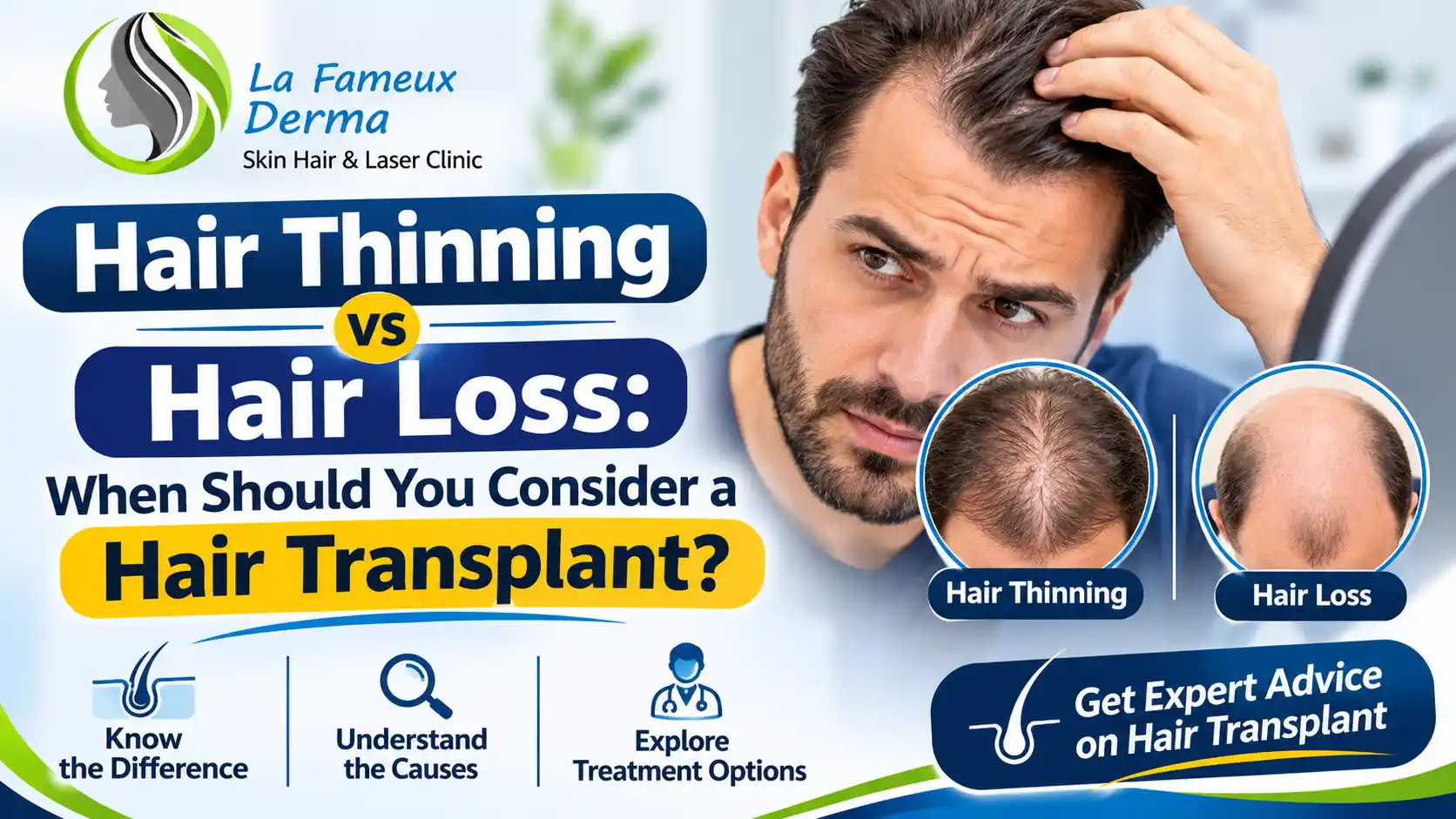
Hair Thinning vs Hair Loss: When Should You Consider a Hair Transplant?
There are a lot of problems related to hair issues, one of which is hair thinning and hair loss. While there are people who can see that there is hair thinning near the hairline on the forehead there are others who realize that there is a wider hair part a receding hairline, or even patches of baldness on the scalp.
It should be noted that not all people who have hair fall need a hair transplant procedure. There are cases in which early hair treatment, scalp therapy, or even PRP might help. However, in case if hair follicles stop growing hair because of permanent pattern baldness, a hair transplant might be recommended.
Knowledge about how to distinguish between hair thinning and hair loss might be helpful for you.
What Is the Difference Between Hair Thinning and Hair Loss?
Hair thinning occurs when hair becomes less dense over time. It’s possible you still have hair on your scalp but the hair appears to be growing in less dense than ever before. This can be due to individual hair strands getting thinner or the number of hairs growing in a given area being reduced.
Hair loss is a general term for when you shed more hair than your scalp can grow back. It can happen all at once or happen over time.
Take note that a person with a temporary shedding would lose hair after an illness, but then would see it return after a period of time. Whereas, a person who has genetically inherited hair loss would have receding hairline or thinning of crown.
Knowing which condition you have is important because both problems do not require the same treatment.
5 Early Signs That Your Hair Is Becoming Thinner
Hair loss does not always begin with a completely bald area. In many people, the first changes are small and easy to ignore.
Here are some signs that may indicate developing hair thinning:
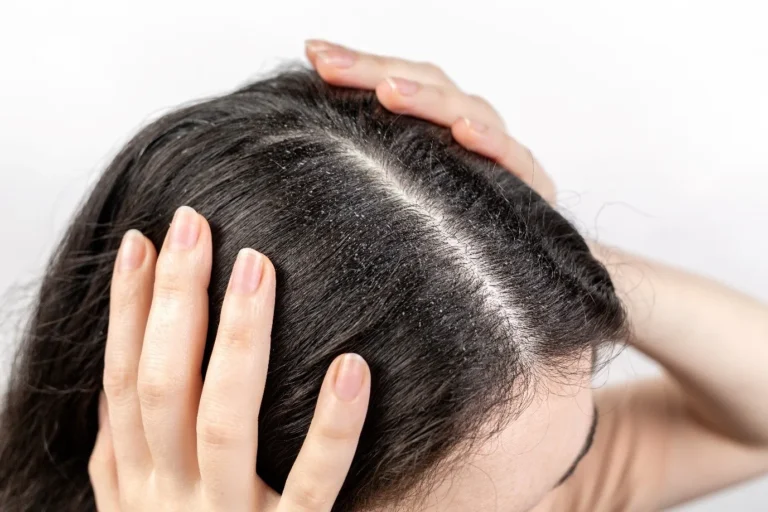
- Widening hair parting: If more scalp becomes visible along your natural hair parting, your hair density may be decreasing.
- Receding hairline: The hair near your forehead and temples may slowly move backwards.
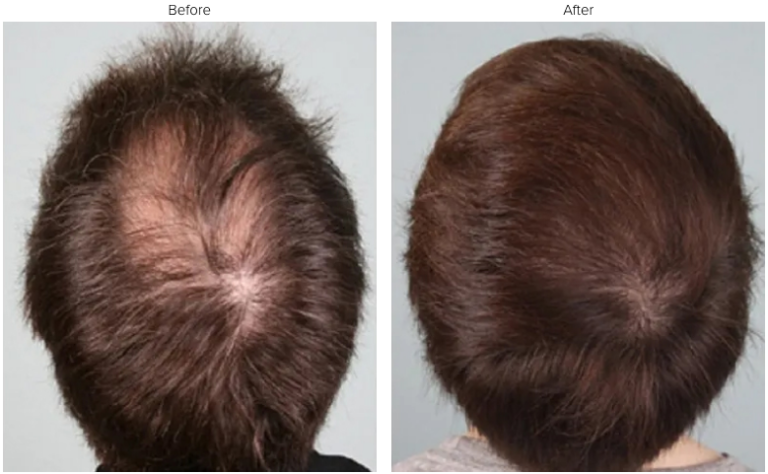
- Thinner crown area: You may notice more scalp visibility at the top or back of your head.
- Reduced ponytail thickness: People with long hair may notice that their ponytail feels smaller than before.
- Excessive or persistent shedding: More hair may appear on your pillow, comb or bathroom floor.
These signs do not automatically mean that you need surgery. A proper scalp examination can help identify the reason behind the changes.
What Causes Hair Thinning and Permanent Hair Loss?
This is the reason we face a rougher thinner stand-out occasionally. Here are the main reasons for thinning hair. Genetic inheritance is one of the key reasons of thinning hair.
Genetics: pattern baldness inherited through male or female. Instead of losing hair immediately, you tend to experience the gradual loss, that is, thinner hair thinning crown or receding hairline.
Hormonal imbalance: changes in hormones due to pregnancy and delivery and in some cases diseases.
Nutrient deficiencies: Iron deficiency lack of nutrients including proteins.
Stress and sickness: loss of hair can be a result of physical or mental shock sickness or an abrupt change in body weight.
Additional scalp issues: Scalp infection inflammation and certain scalp conditions impact hair growth.
Keep in mind that you should not overlook falling hair and just ignore the problem but try to find the solution to this condition. If necessary your doctor will perform the hair loss examination or blood tests.
When Should You Consider a Hair Transplant?
A hair transplant may be an option when hair loss is caused by permanent pattern baldness and the person has enough healthy donor hair.
During the procedure, healthy hair follicles are taken from a suitable donor area, usually the back or sides of the scalp, and placed into areas where hair density has reduced.
However, a hair transplant is not the first choice for every person experiencing hair fall.
You may be considered for a transplant when:
- Your hairline has receded or bald areas have developed.
- Hair loss has become relatively stable.
- Your donor area has enough healthy follicles.
- Your overall health allows you to undergo the procedure.
- Your expectations about hair density and results are realistic.
Age alone does not determine whether someone is suitable. The pattern of hair loss, donor hair quality, medical history and future hair loss risk are also important.
If you are considering a procedure, consult a qualified specialist at a Hair Transplant Clinic in Noida for an individual assessment. The doctor can examine your scalp and explain whether surgery or a non-surgical option is more suitable.
Can Hair PRP Help Before a Hair Transplant?
A hair transplant isn’t always the answer. Based on the seriousness and cause of your hair loss, Platelet-Rich Plasma (PRP) might be an option, non-surgical.
PRP involves a small sample of your blood is taken then centrifuged to prepare platelet rich plasma, which is then injected into various parts of your scalp.
Not everyone may see results from PRP when treating hair loss. While it may might thicken hair or slow loss in certain instances it cannot grow hair in every circular bald patch completely.
People searching for a Hair PRP Clinic in Noida should understand that PRP and hair transplantation serve different purposes. PRP does not replace a transplant when follicles are no longer capable of producing hair.
A dermatologist can help determine whether PRP, medication, a transplant or a combination of treatments is appropriate for your condition.
Hair PRP vs Hair Transplant: Which Option Should You Choose?
It’s the right option based on your hair condition rather than selecting the more advanced sounding treatment.
PRP is a non-surgical treatment and can be an option for thinning hair in some cases. PRP treatment may take many sessions and while results can last, maintenance may be needed.
A hair transplant is a surgical procedure in which healthy hair follicles are moved to areas of the head where hair is permanently thinning. It is usually an option when there is a viable donor site and a defined treatment plan.
Each treatment has its own advantages, disadvantages, and cost. It is not possible to tell from this information the results, which might be achieved for you.
Consult with a professional to find the right treatment that fits your scalp condition and your expectations.
Does Hair Loss Affect Your Skin and Overall Appearance?
Hair thinning can change how your face looks because your hairline and hairstyle help frame your facial features. Some people also become more conscious of their appearance when they notice visible scalp areas.
However, hair loss and skin problems are separate concerns and require different treatment approaches.
For example, people dealing with acne marks or uneven skin texture may also look for Acne Scar Treatment in Noida to improve their skin appearance. Acne scars do not cause hair loss, and hair restoration procedures do not treat acne scars.
A dermatologist can assess both concerns separately and recommend suitable treatments based on individual skin and scalp needs.
What Should You Check Before Choosing a Hair Transplant Treatment?
Choosing a treatment based only on price or advertisements can lead to unrealistic expectations. Before making a decision, understand the procedure, the doctor’s involvement and the care required afterwards.
Check whether the clinic explains your hair loss pattern, examines the donor area and discusses possible alternatives. You should also understand the expected graft requirement, recovery period, possible side effects and follow-up schedule.
At La Fameux Derma, the consultation process includes an assessment of hair loss history, scalp condition and donor hair before deciding whether a transplant is appropriate.
The aim should be to select a treatment based on your actual hair condition rather than undergoing a procedure unnecessarily.
Final Thoughts
Thinning of hair and permanent hair loss might seem alike at first but may have various reasons. While they will need different approaches in treatment. Early assessment can work to identify the issue before it’s more prominent.
PRP could be an option for some people with thinning hair, and a hair transplant could be an option for some suitable patients with permanent hair loss and good donor hairs.
Don’t rely on claims made online, but consult a medical professional for diagnosis and solution. Know what options you have for effective long-term hair restoration.
Frequently Asked Questions
How do I know if I need a hair transplant?
A hair transplant may be considered if you have permanent pattern hair loss, visible bald areas and sufficient healthy donor hair. A specialist should examine your scalp before recommending surgery.
Can hair thinning be reversed without a transplant?
In some cases, yes. If thinning is related to nutritional deficiencies, hormonal changes or temporary shedding, treating the underlying cause may improve hair growth. Results depend on the condition.
Is PRP better than a hair transplant?
Neither treatment is better for everyone. PRP may help selected people with thinning hair, whereas a transplant is used to move healthy follicles into areas affected by permanent hair loss.
At what age should I consider a hair transplant?
There is no single ideal age for everyone. Hair loss stability, donor hair availability, medical history and future hair loss patterns are important factors.
Does a hair transplant give permanent results?
Transplanted follicles can provide long-lasting hair growth, but untreated natural hair may continue to thin. Long-term results depend on the individual’s condition and treatment plan.