PRP vs GFC for Hair Loss: Which Treatment Is Better for Early Hair Thinning?
It’s natural for some hair to come out while you’re brushing showering or sleeping. Many people follow a path of trying a wide variety of shampoos oils and home remedies before seeking treatment with a professional. But when you experience ongoing hair loss you should know the underlying causes and what type of treatment might be appropriate.
PRP and GFC are two therapies we use in the treatment of hair loss. PRP and GFC are similar therapies that involve the use of components of a patient’s own blood. They are both non-surgical hair restoration procedures.
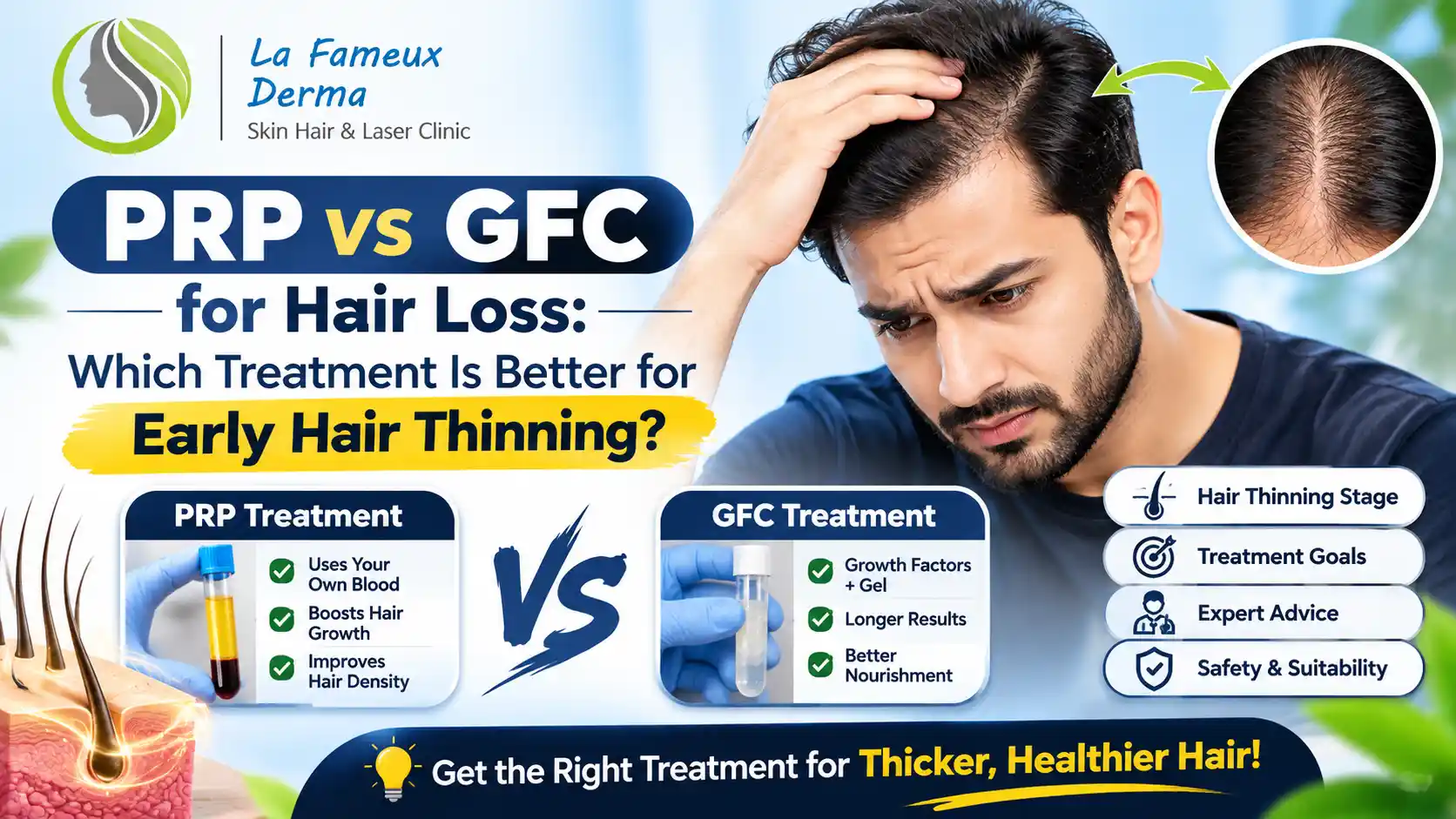
But PRP vs GFC for Hair Loss is not about which is the stronger treatment. They differ in the preparation of blood, with outcomes varying given an individual’s specific hair condition the cause of hair loss and general health.
This article describes the differences between GFC and PRP, as well as potential benefits, risks, and when to consult a dermatologist.
Why Does Hair Thinning Continue Even After Trying Different Treatments?
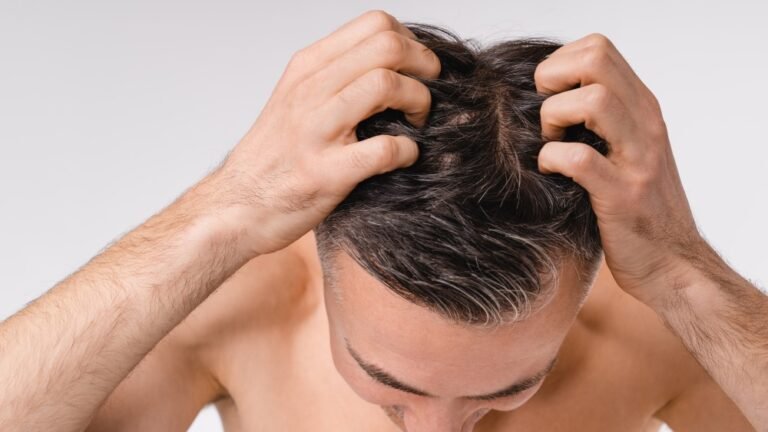
There isn’t always one cause of hair loss. Some people shed hair slowly over time due to genetics, whilst others may notice more hair in the plughole due to illness, hormone change, stress, or lack of nutrients.
Common reasons include:
GENETIC HAIR LOSS: Walkers can inherit gradual hair loss from members of their family.
Hormonal imbalances: some hormonal disorders can interfere with the hair growth cycle.
Nutritional deficiencies: Low iron or some other nutritional deficiencies could cause hair shedding.
Stress/ Sickness: sometimes when you are stressed or you’re sick, your hair may shed more.
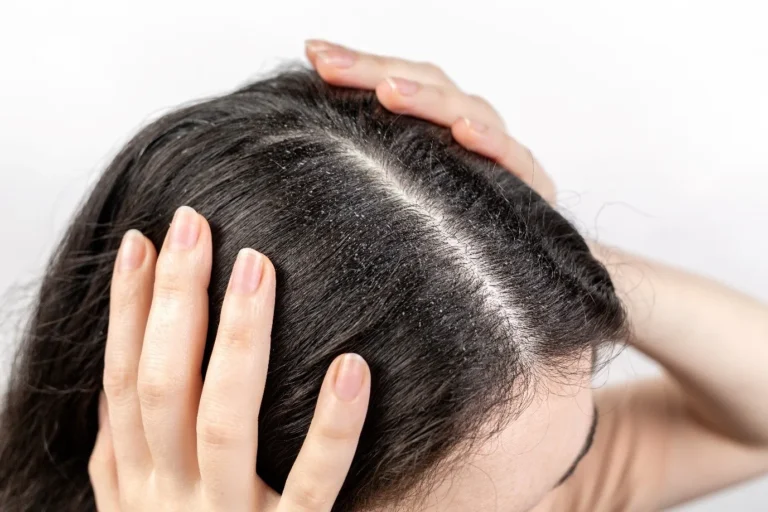
Scalp issues: Inflammation on the scalp or scalp conditions might hinder healthy hair growth.
This is why selecting a treatment without knowing the cause may not have the desired effect. A doctor should examine the scalp, medical history, area covered and pattern of hair loss.
What Is PRP Hair Treatment?
When it is made from the patient’s own blood then you have Platelet-Rich Plasma, or PRP, for treatment.
At the time of the treatment, a small blood sample is taken and placed in a centrifuge. This device spins the blood sample separating the various components of the blood and creating plasma with a higher platelet concentration.
Platelets are rich in naturally occurring growth factors that promote tissue repair and healing. The prepared PRP is then injected into specific areas of the scalp by a trained physician.
Possible Benefits of PRP
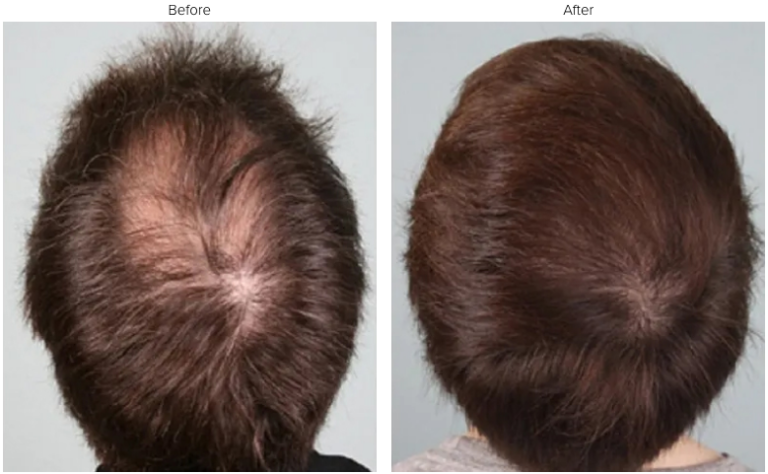
PRP might be an option for some individuals with early or progressive pattern hair loss.
Potential benefits include:
- Autologous. Takes the patient’s own blood.
- There is no hair transplant surgery.
- May support hair density in appropriate candidates.
- May be an outpatient.
- Typically entails minimal downtime.
While PRP treatments are effective to a degree, they do not work for everyone. They are not a cure and benefits vary according to the cause and severity of the hair loss, and the style of preparation used.
What Is GFC Hair Treatment?
Growth Factor Concentrate (GFC) is also derived from the blood and used as a tissue growth solution in hair regrowth.
It too involves taking a small blood sample, which is then processed to yield a concentrated product that contains growth factors the proteins released by platelets.
The concentrate will be injected into areas of the scalp on the day of the procedure.
GFC is designed to provide selected growth factors, and not the full complement of intact platelets within traditional PRP preparations.
Possible Benefits of GFC
This types of GFC may be provided, based on the patient’s condition and treatment plan:
- A procedure that involves separating a patient’s blood into individual components.
- A non-invasive treatment for certain types of hair loss.
- Brief operation.
- Able to be personalized to the areas of the scalp being treated.
GFC is not a magic fix for hair loss! It has not been around long enough to have any research done on the effectiveness of the treatment, with no robust comparative data to show that it is better than PRP.
PRP vs GFC for Hair Loss: Key Differences
Although both treatments use blood-derived components, their preparation methods and intended composition are different.
| Comparison factor | PRP Hair Treatment | GFC Hair Treatment |
| Full form | Platelet-Rich Plasma | Growth Factor Concentrate |
| Starting material | Patient’s own blood | Patient’s own blood |
| Preparation | Blood is processed to concentrate platelets | Preparation aims to obtain a growth-factor-rich concentrate |
| Main components | Platelets and plasma proteins | Concentrated growth factors |
| Procedure | Scalp injections | Scalp injections |
| Treatment goal | Support hair growth in suitable patients | Support hair restoration in suitable patients |
| Research | More published clinical research is available | Clinical evidence is still developing |
| Results | Vary between individuals | Vary between individuals |
Neither treatment should be considered universally superior. The right option depends on the diagnosis, treatment goals and the dermatologist’s assessment.
Which Treatment May Be Suitable for Early Hair Thinning?
People who experience early thinning of the hair may desire to have the density of hair that has been lost made up in the hope that the problem becomes less obvious.
Treatment with PRP and GFC may be recommended in certain cases, but this is only considered under this circumstances.
When PRP May Be Considered
A dermatologist may consider PRP when:
- Hair thinning is seen with some types of pattern hair loss.
- You still have some active hair follicles.
- This patient is requesting a non-operative approach.
- The treatment will be part of a comprehensive restoration strategy.
When GFC May Be Considered
GFC may be discussed when:
- The patient is interested in a growth-factor-based treatment.
- Intermediate or mild hair loss.
- The dermatologist deems the treatment suitable.
- The patient is aware that the evidence for head to head comparative studies is sparse.
Why is a consultation important? Hair loss due to deficiency of nutrients or causes like thyroid problems or scalp inflammation may need different treatment. Hair regrowth using PRP or GFC may not resolve the cause.
Can PRP or GFC Help With Advanced Hair Loss?
This will be crucial to know before you buy any treatment or procedure for hair restoration.
If the hair loss has advanced to the point that a great deal of the hair follicles are no longer growing hair, the injectable options may not have much potential for adding to the coverage.
The doctor may take into consideration other options or refer you to a dermatologist to discuss medical management in these instances. If you have advanced pattern hair loss but it is stable, then a hair transplant consultation may be advisable.
You can learn more about the available options through our Hair Transplant Clinic in Noida page.
A hair transplant is not suitable for everyone either. Donor hair availability, the pattern of hair loss and long-term planning all matter.
How Many PRP or GFC Sessions May Be Required?
A session timetable cannot be applied to every individual.
Number of sessions:
- The pattern and extent of the hair loss.
- Chosen course of treatment.
- How patient responded.
- The dermatologist’s recommended strategy.
If you are using other hair loss treatments.
Certain treatments are given as a number of sessions, with a certain period in between. But this schedule should be determined after your check-up and not as a fixed package just by looking online.
Hair growth is just as slow. Injections take time to have an effect on the body and you won’t be able to see any changes straight away. Photographs and scalp analyses can be used to determine whether hair has started growing.
What Should You Check Before Choosing a Hair Treatment?
Before deciding between PRP and GFC, consider these points:
- Get the cause of hair loss assessed
Ask your dermatologist whether your pattern of hair loss is hereditary or temporary linked to a medical condition or if another factor is at play.
- Understand the treatment procedure
Determine if you will need to stop any medication or treatment. Make sure you understand what needs to be done before your appointment.
- Discuss realistic expectations
Inquire about what could be an improvement in your situation. No reputable clinic could make such a guarantee.
- Check the doctor’s experience
Ensure your treatment is assessed and directed by a suitably trained medical doctor.
- Understand the complete cost
Inquire about sessions, revisitations, and potential upkeep expenses before beginning.
- Discuss possible side effects
Potential side effects of scalp injections include temporary pain, redness, swelling, tenderness, or bruising. Infection and other complications are also possible when clinical protocols are not observed.
When Should You Consult a Dermatologist?
Don’t overlook hair loss that lasts for many months or that gets worse.
If you get any of these, you should go get expert help:
- Loss of hair that seems rapid or extreme.
- Bladness around the crown or hair line.
- Loss of hair in patches.
- Itching, redness, or scaliness of the scalp.
- Shedding or breaking in patches following a general disease or physical trauma.
- Thinning hair that is not responding to simple treatments.
An early investigation can determine the cause and avoid ineffective procedures.
Patients at La Fameux Derma have consultations about their personalized hair restoration plans with the doctors on staff.
If you are considering GFC Hair Treatment, a consultation can help determine whether it is appropriate for your hair and scalp condition.
Frequently Asked Questions
Is PRP or GFC better for hair loss?
Neither treatment is definitively better for everyone. PRP has a more extensive collection of published clinical studies, whereas GFC is a newer method with emerging evidence. A dermatologist can assist in deciding which treatment is suitable.
Can GFC treatment regrow hair on a completely bald scalp?
GFC is not likely to be able to regrow hair in the areas where permanent follicles have been lost. The success of GFC is determined by the current state of hair follicles.
Is PRP hair treatment painful?
You may feel a little uncomfortable during the scalp injections. There are different degrees of discomfort and the doctor will discuss these and ways of making the procedure more comfortable.
How long does it take to see results from PRP or GFC?
Hair growth is a slow process. It may take several months to see a difference and this may vary from person to person. Follow-up.
Can PRP and GFC be combined?
A dermatologist might present different treatment options based on the patient. But combining treatments will not necessarily give a better outcome and there is not much evidence for each combination.
Are PRP and GFC permanent hair loss treatments?
No. Neither drug is a cure for genetic hair loss. You may need long-term therapy.
Is GFC suitable for women experiencing hair thinning?
GFC can be an option for some women based on the cause of the hair fall. Medical conditions including nutritional deficiency hormone imbalance need to be examined initially.
Final Thoughts
Deciding between PRP and GFC involves more than looking at treatment titles or promotional offers. Both are nonsurgical options that could be options for some hair loss issues but neither promise a regrowth result.
Your dermatologist will have explained to you why your hair is thinning at the first visit. After evaluating the cause and the condition of the scalp the dermatologist will describe your options and what can be expected from a treatment.
If you’re experiencing early thinning or continued hair fall you may want to seek professional advice before proceeding with a treatment.
Book a Hair Consultation at La Fameux Derma
Discuss your hair concerns understand the available treatment options and get a plan based on your individual scalp and hair condition. Contact La Fameux Derma to schedule a consultation.