Hair Fall in Noida: Causes, Treatment Options and How to Choose the Right One
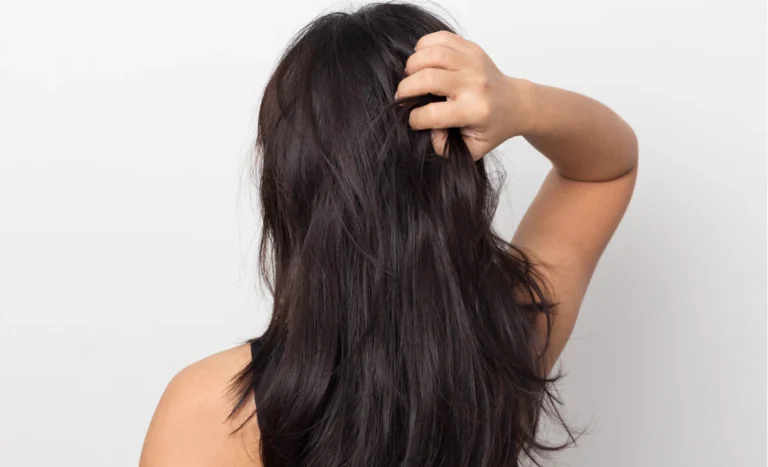
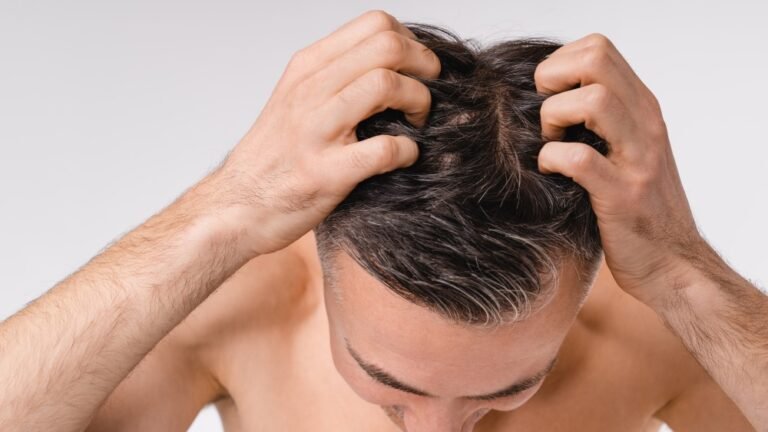
Hair Fall in Noida is a common concern among men and women, and it can happen at almost any age.There are many factors including lifestyle modifications stress hormonal imbalance, nutrition, and even exposure to different elements that can all take a toll on the quality of hair. If you notice a steady decline or shedding in hair, identifying the causes of the loss is the first step in controlling hair problems.. Exploring the right Hair loss treatment in Noida can help you understand the available options and make informed decisions based on your scalp condition, hair health, and individual needs.
Common Causes of Hair Fall
Reasons for hair fall hair fall may not always be due to a specific reason. It may sometimes be due to more than one reason affecting hair growth at the same time. An underlying cause can be identified and for this a dermatologist can recommend an appropriate approach.
Here are some common reasons behind excessive hair shedding.
1. Hormonal Changes
The natural growth of our hair is controlled by our hormones. Some hormone-related hair loss include PCOS, changes with pregnancy, menopause, and hormone imbalances. It is affected by the hormone levels in both men and women.
2. Stress and Lifestyle
Stress. Excessive physical or emotional stress can interfere with the hair growth process. Stress at work lack of sleep, a sharp weight loss an unbalanced daily routine can make hair fall out for a period of time.
3. Nutritional Deficiencies
Needs nutritious food to be strong good nutrients such as iron zinc and vitamin D are needed for hair to grow. B 12 deficiency can cause hair loss. 12 vitamin deficiency.
not eating for too long periods of time or crash diets often means weaker hair even after a period of time.
4. Thyroid Problems
Thyroid. Hair loss is connected to both an underactive and overactive thyroid. If you have a thyroid condition you may experience shedding dry hair or thinning overall.
A doctor will order tests if the symptoms indicate that a thyroid problem is likely.
5. Genetics
Common reasons for gradual thinning hair loss due to genetics is one of the most common causes of thinning hair. For men this can mean a receding hairline or thinning at the crown while for women this may be more widespread throughout the scalp.
6. Medications and Medical Conditions
Medication and medical conditions that can cause hair loss. Medication and medical conditions may contribute to hair loss. High blood pressure, depression and other drug therapies may also impact your hair growth.
Never stop taking your prescribed medicine without consulting your doctor.
Early Signs You Should Not Ignore
Hair loss is progressive and begins long before you notice it. The earlier you notice the signs, the sooner you can begin to take control.
Watch out for these signs:
- Hair thinning: You notice more hair than usual in your hairbrush, or on your pillow.
- Wider parting of the hair: Wider parts are left around the centre of the crown.
- Hairline receding (your forehead is getting bigger) The hair line gradually recedes mainly at the temples.
- The hair appears thinner and your ponytail seems to be smaller.
- Root volume changes: in bright light it becomes easier to see the scalp. [Normal transparency].
- Thinning hair: hair appears to thin out gradually.
If it does, then the motive is better than picking up any jumpy hair oil or home remedies.
Hair Loss Treatment in Noida: Treatment Options Explained
There are different approaches to managing hair fall. The right option depends on the reason for hair loss, the condition of your scalp, your age, and the stage of thinning.
A dermatologist may suggest one treatment or a combination of approaches.
1. PRP and Growth Factor Concentrate (GFC) Therapy
PRP (Platelet-Rich Plasma) and GFC (Growth Factor Concentrate) are procedures that use components obtained from the patient’s own blood.
The blood sample is processed to prepare a concentrated solution containing platelets or growth factors, which is then injected into selected areas of the scalp.
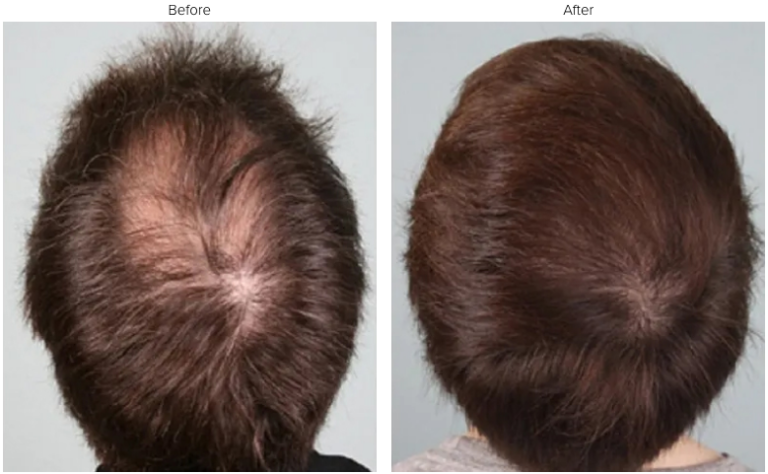
These procedures are generally considered for people experiencing certain types of hair thinning. They may help support hair growth in suitable candidates.
You can learn more about advanced PRP and Growth Factor Concentrate Therapy.
2. Mesotherapy
Mesotherapy involves delivering selected ingredients into the scalp through small injections. The ingredients used depend on the treatment protocol and individual requirements.
It may be considered as an additional approach for selected hair concerns. However, its effectiveness can vary, and it is important to discuss the expected benefits with a dermatologist.
3. Oral and Topical Medication
Dermatologists may recommend oral or topical medicines depending on the type of hair loss.
For example, minoxidil is a commonly used topical option for certain types of hair thinning. Other medicines may be considered depending on hormonal or medical causes.
These treatments require proper medical guidance. Results generally take time, and some treatments need continued use to maintain their benefits.
4. Derma Roller Treatment
A derma roller uses tiny needles to create controlled micro-injuries on the skin. This process is known as microneedling.
It is sometimes considered as an additional approach for selected hair loss conditions. However, it is not suitable for everyone and should only be performed under appropriate professional guidance.
Using home derma rollers without proper knowledge can cause irritation, infection, or scalp injury.
5. Hair Transplant
A hair transplant is a surgical procedure in which hair follicles are moved from a donor area to areas affected by hair loss.
It may be suitable for people with established pattern baldness and sufficient healthy donor hair.
People considering a surgical procedure can consult a qualified specialist at a Hair Transplant clinic in Noida Sector 50 to understand their suitability, expected outcomes, and recovery requirements.
Comparison of Different Hair Fall Treatment Options
The following table provides a general comparison of commonly discussed options.
| Treatment | Best For | How It Works | Number of Sessions | Downtime | Results Timeline | Suitable Stage |
| PRP/GFC Therapy | Selected cases of hair thinning | Uses concentrated blood components or growth factors | Multiple sessions, depending on the plan | Usually minimal | Several months | Early to moderate thinning |
| Mesotherapy | Selected scalp and hair concerns | Delivers selected ingredients through small injections | Multiple sessions | Usually minimal | Varies by individual | Depends on the cause |
| Oral/Topical Medication | Pattern hair loss and certain medical causes | Supports hair growth or addresses specific causes | Regular use as prescribed | Usually none | Several months | Early to advanced, depending on the medicine |
| Hair Transplant | Established pattern baldness | Moves healthy follicles to thinning areas | Usually one procedure, sometimes more | Recovery period required | Several months to over a year | Suitable candidates with stable hair loss |
Note: Treatment plans, session requirements, recovery periods, and outcomes vary from person to person. A dermatologist or qualified specialist should determine suitability.
How to Choose the Right Treatment
Choosing a hair treatment simply because someone else experienced good results is not always a good idea. Every person’s hair condition is different.
Consider these important points before making a decision:
1. Understand the Root Cause
First, identify why your hair is falling. Your dermatologist may examine your scalp, review your medical history, and recommend blood tests if required.
2. Consider Your Hair Loss Stage
Early-stage thinning and advanced baldness require different approaches. Non-surgical treatments may be considered for certain early-stage conditions, while established baldness may require a surgical evaluation.
3. Discuss Your Medical History
Inform your dermatologist about existing health conditions, medicines, allergies, and previous hair treatments. This information helps in choosing an appropriate approach.
4. Understand the Expected Timeline
Hair growth takes time. Do not expect visible changes within a few days or weeks. Ask about the expected timeline, maintenance, possible side effects, and limitations of each treatment.
5. Choose Professional Guidance
Always prefer a qualified dermatologist or experienced hair restoration specialist. Avoid choosing a treatment based only on social media advertisements or unverified recommendations.
Scalp and Skin Health Connection
Hair and skin health are closely connected because both can be affected by hormones, nutrition, inflammation, and lifestyle habits.
For example, hormonal changes may contribute to hair thinning as well as acne or changes in skin texture. Sun exposure can also cause pigmentation and uneven skin tone around the forehead and hairline.
People dealing with both concerns may benefit from a proper skin and scalp assessment. La Fameux Derma Clinic also offers Pigmentation treatment in Noida for individuals looking to address uneven skin tone and pigmentation concerns.
Maintaining scalp hygiene, eating a balanced diet, protecting your skin from excessive sun exposure, and following professional advice can support overall skin and hair health.
When to Consult a Dermatologist
Not every hair fall problem requires medical treatment. However, certain symptoms should not be ignored.
Consider consulting a dermatologist if:
- Hair shedding continues for several weeks or months.
- You notice sudden or patchy hair loss.
- Your scalp becomes itchy, red, painful, or irritated.
- Hair thinning is becoming more noticeable.
- You experience hair loss along with unexplained weight changes or other hormonal symptoms.
- Home remedies and changes in hair care habits are not helping.
A proper examination can help identify whether the problem is temporary, genetic, hormonal, or related to another medical condition.
Early evaluation may also help prevent unnecessary delays in managing certain types of hair loss.
Conclusion
There are various reasons behind hair fall. It can be due to stress, hormonal imbalance, nutritional deficiencies, thyroid issues and genetics. So, finding the root cause is more vital than using multiple products and treatments.
Deciding the type of Hair loss treatment in Noida Now, a time when if a person is affected by hereditary hair loss then they always want to get solutions for their hair loss and also picks the types of hair treatment based on the condition of their hair. Types of Hair treatment such as medications, PRP/ GFC therapy mesotherapy hair transplantation, and others are present.
Is your hair thinning or shedding a lot? Then, visit La Fameux Derma Clinic, Noida Sector 50 for a consultation for hair care and treatment to have stronger and healthy-looking hair.
Frequently Asked Questions
What are the most common causes of hair fall?
What causes hair loss? The most common reasons are stress hormones nutritional deficiency, thyroid disease, heredity, and medication. Once the cause is known a treatment can be started.
Can PRP or GFC therapy help with hair thinning?
Supported hair growth PRP and GFC might benefit some people with certain types of hair thinning, by supporting the hair’s growth environment. Outcomes may differ and a consultation with a dermatologist can determine who is most likely to respond to the treatment.
How long does it take to see results from hair fall treatments?
Patience is a must when it comes to hair treatment. It can take months to see results, given the treatment, and results will vary from person to person.
Is a hair transplant suitable for everyone?
No. A hair transplant is not the right solution for all hair loss sufferers. There are several considerations including donor hair supply, pattern of baldness, scalp quality and general health.